

What is Hot / Foil Stamping?
Hot stamping, also called foil stamping, is a dry decorating process that uses heat and pressure to transfer reflective metallic foil or high-gloss opaque colored foil to a part. It is also the process used to decorate raised areas, known as tipping, where foil is transferred to raised letters or a raised area of a plastic part. Because the process is dry, a hot-stamped part has no wet image to protect after decorating.
How Does Hot Stamping Work?
Hot stamping transfers foil from a carrier film to a part using a heated die. The foil bonds to the surface only where the die touches the part, which is how the design takes shape.
- A die engraved with the design is heated and mounted in the press.
- Foil is positioned between the heated die and the part.
- The die presses down, and heat and pressure release the foil from its carrier and bond it to the surface.
- The die lifts, the carrier film advances, and the finished part is removed.
For parts with curved areas, we can use contoured dies and proper tooling to hot stamp surfaces with compound curvature.
What Are the Different Types of Hot Stamping?
Hot stamping covers three techniques, and the right one depends on the part and the look you want.
Standard Hot Stamping
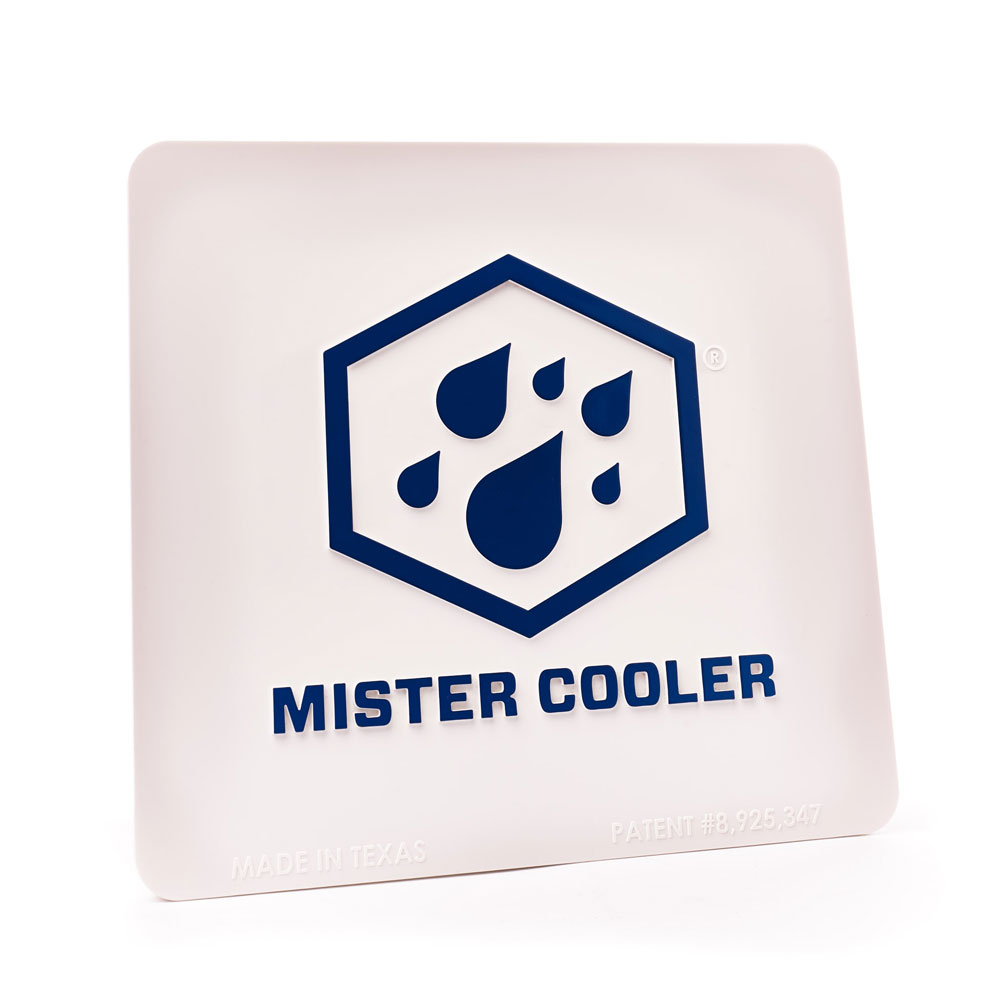
Standard hot stamping applies foil to rigid flat open areas, such as a logo on the side of a wooden napkin holder.
Tipping Raised Areas and Letters
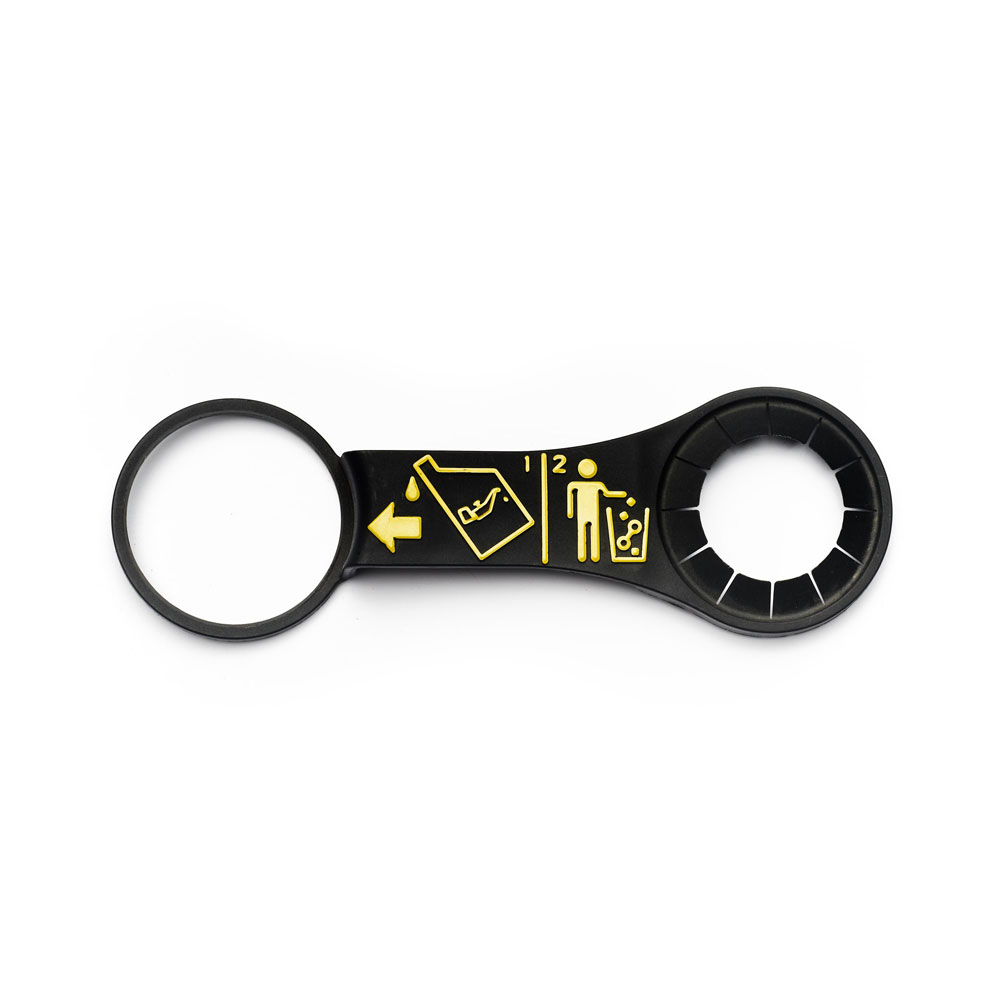
Tipping applies foil only to the top of a raised area or raised letters. A common example is the raised text on a plastic radiator cap, where standard or customer-colored foil highlights the lettering.
Embossing Without Foil
We can also emboss an image into a part without using foil. The heated die presses the design into the surface instead of transferring color.
What Foils Are Used in Hot Stamping?
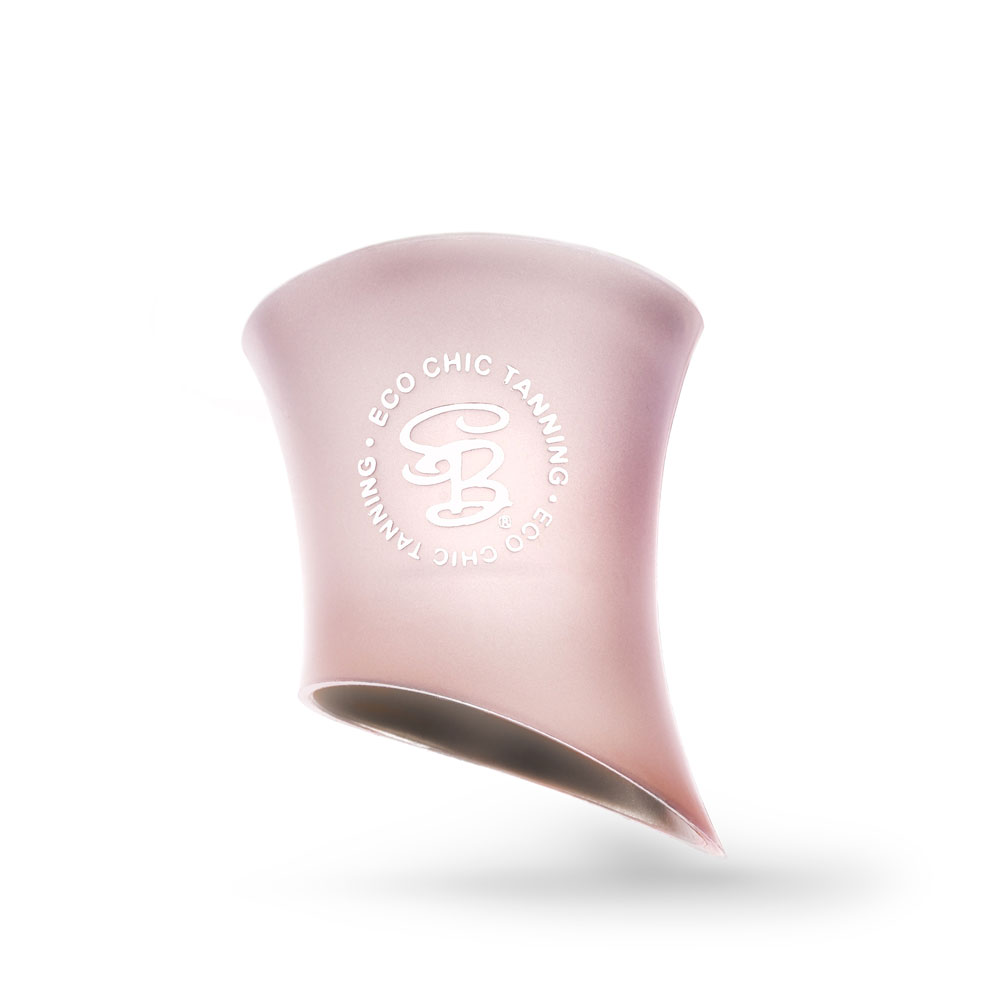
We hot stamp with standard foil colors as well as reflective silver, gold, and hologram foils. For tipping, we can also use customer-colored foil to match your brand. Reflective silver foil, for example, works well for text on the contoured collar of a bottle for the cosmetic industry.
How Does Hot Stamping Compare to Pad Printing and Screen Printing?
Hot stamping is a dry process, unlike screen printing or pad printing, so decorated parts can be bulk packed on-line with fewer concerns about damage to the decorated image. That can save on packaging and handling costs. Polypropylene and polyethylene parts can typically be hot stamped without pretreatment, which also reduces decorating cost compared to pad printing and screen printing. The attention-grabbing effect of reflective foil is not something pad printing or screen printing inks can achieve.
Why Do Brands Choose Hot Stamping?
Brands use hot stamping when a part needs a finish that stands apart and holds up through handling and packing. It also works well for repeat production. We have automated hot stamping for automotive components, medical devices and equipment, and electrical components. Our hot stamping machines can be equipped with a 4-station dial table to increase output, and go / no-go indicators confirm each part is loaded correctly. The bulk of the parts then eject into their original packaging.
Project Gallery
Unique Assembly is able to print or decorate nearly any rigid surface – flat or cylindrical, concave or convex, raised or recessed, and painted or coated surfaces.
Request a Quote for Hot Stamping
Tell us about your part, your foil color, and your order size, and our team will recommend the right hot stamping approach for your project.

Have Questions?
We have the capabilities to work with companies across the US and are excited to work with you on your upcoming project!
Contact Us (Phone and Fax)
630-241-4300Find Us
Unique Assembly and Decorating, Inc.
2550 Wisconsin Ave,
Downers Grove, IL 60515